Roof Cleaning in Melbourne: When Soft Washing Is Safer
Roofs across Melbourne's northern suburbs, from Preston, Reservoir and Thomastown to Epping, Craigieburn, Greensborough and Eltham, face a demanding mix of conditions. Hot, dry summers, cool damp winters, tree litter and shifting winds all contribute to moss, lichen, algae and grime. When it is time to clean, the method you choose matters. In many cases, soft washing is the safer and more appropriate option than traditional high-pressure washing.
What Is Soft Washing?
Soft washing is a low-pressure roof cleaning method that uses a specially formulated cleaning solution to break down and kill organic growth such as algae, moss, lichen and mould. Instead of blasting the surface with force, the technique relies on the chemistry of the solution, usually applied at pressures similar to a garden hose, to do the work. The treated residue is then gently rinsed away.
High-pressure washing, by contrast, uses mechanical force to strip away dirt and growth. While it can look effective at first glance, the force involved can damage many common roofing materials and may leave the underlying spores intact, allowing regrowth.
Why Soft Washing Is Often Safer for Melbourne Roofs
Protecting Concrete and Terracotta Tiles
Many homes in Melbourne's northern suburbs have concrete or terracotta tile roofs, particularly in established areas such as Coburg, Brunswick, Heidelberg and Bundoora. Concrete tiles have a surface coating that protects against moisture and UV exposure. High pressure can erode this layer, leaving tiles more porous, more prone to absorbing water and more likely to attract further growth. Terracotta tiles can be chipped or cracked, and their glazed finishes may be damaged by aggressive blasting.
Preserving Colorbond and Metal Roofing
Colorbond steel roofs are common on newer homes in growth areas like Mickleham, Wollert, Doreen and Mernda. The painted finish can be scratched or lifted by high-pressure water, which exposes the steel beneath and can shorten the roof's lifespan. Soft washing removes dirt, pollutants and mildew without stressing the coating, and it generally helps maintain any applicable manufacturer warranty conditions. It is always wise to check your warranty documentation before any cleaning.
Reducing the Risk of Water Ingress
Roof tiles overlap, and high-pressure water can be forced upward under the tiles and into the roof cavity. This can wet insulation, stain ceilings and compromise sarking or roof underlay. Low-pressure application greatly reduces this risk, which is especially important for older roofs with ageing pointing, worn sarking or small gaps.
Safer for Fragile or Ageing Roofs
Older roofs, including cement sheeting, slate and weathered tiles common in some inner-north and older northern properties, can be brittle. Soft washing limits foot traffic and physical stress. Note that roofs of certain older vintages may contain asbestos-cement sheeting. Asbestos-containing roofs must never be pressure washed, and any suspected asbestos material should be assessed by a licensed professional in line with Victorian regulations before work begins.
When Soft Washing Delivers Better Results
Soft washing does more than remove what you can see. The cleaning solution penetrates and kills the roots and spores of moss, lichen and algae, which helps slow regrowth. This matters in the cooler, shaded and tree-covered parts of the northern suburbs, such as Eltham, Diamond Creek, Warrandyte fringes and areas near creek corridors, where moisture lingers and growth returns quickly.
- Black streaks and algae: Commonly seen on south-facing roof sections that dry slowly after rain.
- Moss in tile overlaps: Soft washing treats the growth without forcing water beneath the tiles.
- Lichen patches: Often firmly attached, lichen responds well to targeted treatment applied over time.
- General grime and pollution film: Dust, pollen and airborne pollutants can be removed without surface damage.
When Higher Pressure May Still Have a Place
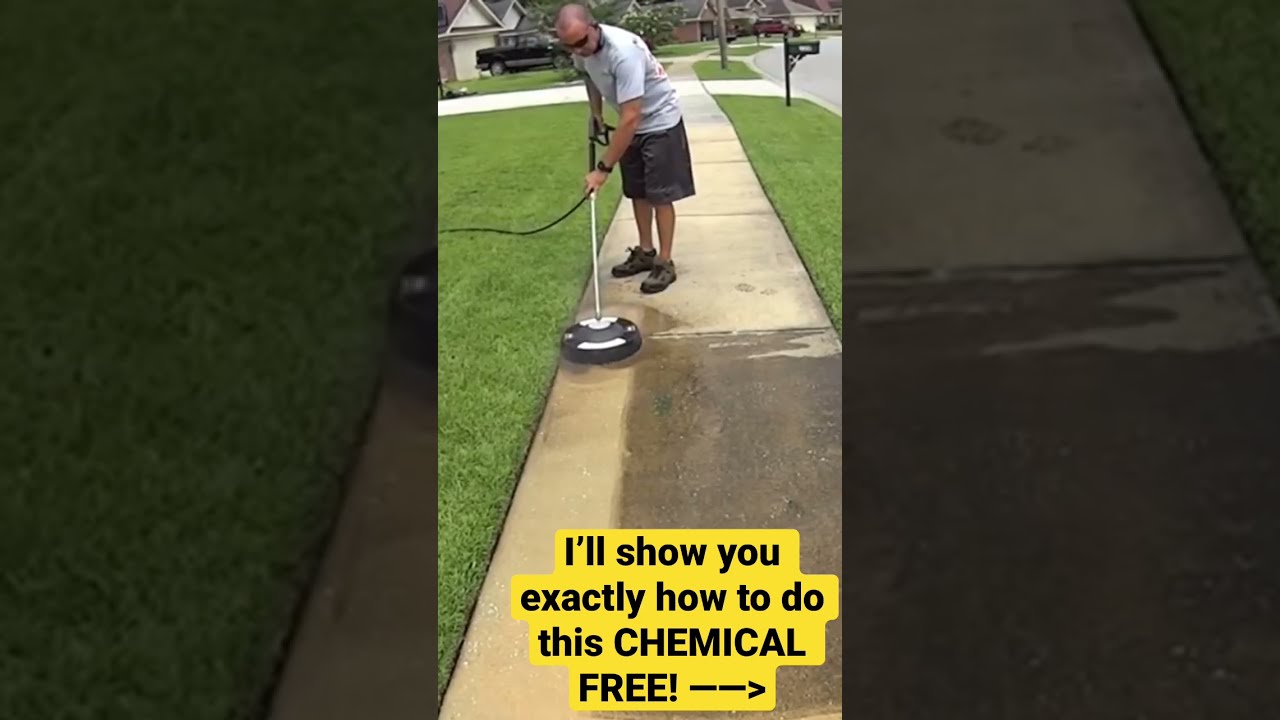
Soft washing is not the answer to every cleaning task. Very hard, flat surfaces such as concrete paths, driveways and some robust masonry can tolerate higher pressure. Some roof situations, such as heavy, thick moss build-up, may call for careful manual removal or controlled low-to-moderate pressure in specific areas, followed by a soft wash treatment. A qualified roof cleaner will assess the material, age, condition and level of growth before choosing a method.

Safety Considerations for Roof Cleaning
Safety is another reason many homeowners choose professionals. Wet, algae-covered roofs are extremely slippery, and falls from roofs remain a serious cause of injury in Australia. Work at height is regulated in Victoria, and professionals should use appropriate fall protection, edge protection and safe access equipment. Cleaning solutions must also be handled correctly, with attention to wind drift, nearby gardens, pets and people.
Protecting Gardens, Pets and Waterways
Responsible soft washing considers what happens to runoff. In Melbourne, stormwater drains flow untreated to creeks and rivers, including the Merri Creek, Darebin Creek and Plenty River catchments in the north. Contractors should protect drains where appropriate, use biodegradable or environmentally considered products where possible, pre-wet and rinse nearby plants, and follow EPA Victoria guidance on preventing pollution from stormwater discharge. Ask any provider how they manage runoff before you book.
What to Ask a Roof Cleaning Provider
- Which cleaning method do you recommend for my roof material, and why?
- What pressure do you use, and how do you prevent water getting under tiles?
- How do you manage runoff, gutters and stormwater drains?
- What fall protection and safety measures do you use at height?
- Do you hold public liability insurance and can you provide proof?
- Do you offer a regrowth guarantee or advise on a maintenance schedule?
Maintaining a Clean Roof After Treatment
Cleaning is most effective when combined with good ongoing maintenance. Trim overhanging branches to increase sunlight and airflow, clear leaves from gutters and valleys, and arrange periodic inspections. In many northern suburbs homes, a soft wash every few years may be enough, though shaded roofs may need attention sooner. Some owners also choose to have damaged tiles repaired, ridge capping re-bedded or pointing replaced at the same time, which helps keep water out and improves the longevity of the roof.
Benefits of Choosing Soft Washing
Beyond safety for the roof itself, regular soft washing can improve the appearance of your home and support its value, particularly when preparing a property for sale. A cleaner roof can also reflect more heat than one covered in dark algae, and removing moss prevents it from holding moisture against tiles, which can contribute to deterioration over time.
Conclusion
For most roofs in Melbourne's northern suburbs, soft washing is the gentler, safer and longer-lasting way to clean. It protects tile coatings and paint finishes, reduces the risk of leaks, and treats the cause of regrowth rather than just the surface. Because every roof differs in material, age and condition, a professional assessment https://pressurecleaningmelbournenorthernsuburbs.com.au/house-washing/ is the best first step. In 2026 and beyond, choosing a method that protects both your roof and the local environment is a sound investment in your home.
Melbourne Northern Suburbs Pressure Cleaning
(03) 8820 1424